
What is a Trademark?
A trade mark is a visual symbol which may be a word to indicate the source of the goods, a signature, name, device, label, numerals, or combination of colours used, or services, or other articles of commerce to distinguish it from other similar goods or services originated from another. One cannot trademark ideas but can trademark labels and names. For example: Gucci, Prada, Dior, Chanel, etc.
Trademarks are important in fashion because they help protect a brand’s identity, make its products stand out, and build customer loyalty.
Different types of trademarks are used to meet the unique needs of fashion brands and keep them unique in a crowded market.
I. Word Marks: These consist of words, letters, or numerals that uniquely identify a brand’s goods or services. In fashion, wordmarks are commonly used for brand names and slogans. Examples include “GUCCI,” “PRADA,” and “SUPREME.” These names represent the brand’s identity and are legally protected to prevent unauthorised use.
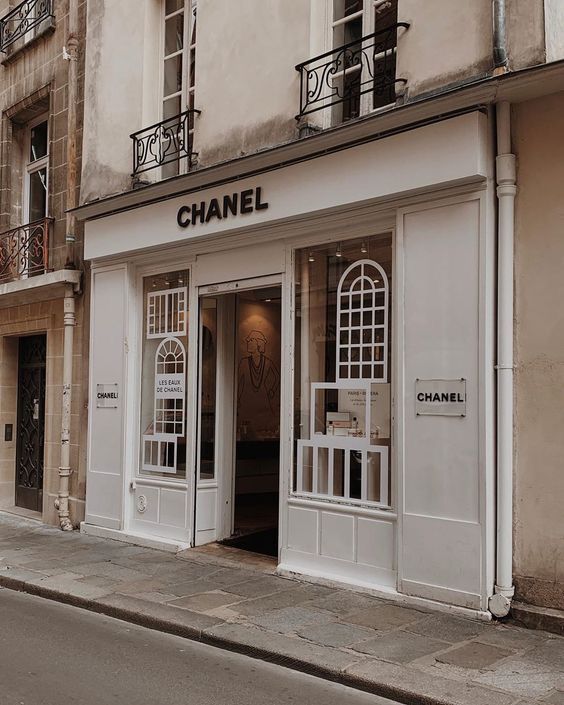
II. Device Marks: Device marks protect the specific stylized representation of a word, letter, or number. This often includes unique fonts, colors, and design elements used in the brand’s logo or name representation. For example, the distinctive script of the “Chanel” logo or the unique typography of the “Dior” logo are device marks, which protect not just the words but also their specific visual presentation.
III. Figurative Marks / Logos: These are trademarks that consist solely of graphic images or logos, without accompanying text. In fashion, logos often play a critical role in brand identity. Examples include the interlocking “C” logo of Chanel, the medusa head logo of Versace, or the polo player symbol of Ralph Lauren. These figurative marks
are instantly recognisable and serve as a visual shorthand for the brand’s identity and reputation.
IV. Service Marks: Unlike trademarks that protect goods, service marks distinguish the services provided by a brand. In fashion, service marks might be used by companies offering fashion-related services, such as fashion consulting, styling, or online retail services. For instance, the “NET-A-PORTER” name and its distinctive service logo protect its identity as a luxury online fashion retailer.
V. Collective Marks: These marks are used by members of a collective group or association to indicate that the goods or services come from members of that group. In
fashion, a collective mark might be used by an association of designers or manufacturers to denote that their products meet certain standards or are made by members of a particular group. An example is “Woolmark” which is used to certify products made from 100% pure wool, produced by members of the Woolmark Company.
VI. Certification Marks: These marks indicate that a product meets specific standards related to quality, origin, or material. In fashion, certification marks provide consumers with assurance that products meet certain established criteria, such as sustainability or ethical sourcing. For example, the “GOTS” (Global Organic Textile Standard) mark certifies that a garment is made from organic materials, while the “OEKO-TEX” certification ensures the absence of harmful substances in textiles.
VII. Well-Known Marks: These trademarks have achieved widespread recognition and enjoy a higher level of legal protection due to their reputation. In fashion, well-known marks include brands like “LOUIS VUITTON,” “HERMÈS,” and “CHANEL,” which are recognized globally and receive protection even in categories where they are not formally registered, given their fame and market presence.
VIII. Unconventional Trademarks: These trademarks are non-traditional and are recognized for their distinctive features, such as color, sound, shape, or smell:
Color Trademarks: An example in fashion is the red sole of Christian Louboutin shoes, which has been successfully trademarked to distinguish its footwear.
Sound Marks: While less common in fashion, a sound mark could apply to a unique sound associated with a brand, such as a distinct musical note or jingle used in advertising campaigns. For instance, a fashion brand could trademark a unique sound used at the start of its digital runway shows.
Shape Marks (3D Marks): These protect the three-dimensional design or shape of a product. In fashion, examples include the unique shape of the Hermès Birkin bag, demonstrating how iconic shapes are protected. It is a well-established principle that a brand or designer can secure exclusive rights to use a descriptive word as a trademark if the word has acquired a secondary meaning or distinctiveness through continuous use over a significant period. The word must be used so extensively that it no longer retains its original, descriptive meaning but instead is closely associated with the brand’s products. When consumers encounter the word, it should immediately evoke the brand’s goods, indicating that the trademark has developed a unique identity in the marketplace.
It is a well-established principle that a brand or designer can secure exclusive rights to use a descriptive word as a trademark if the word has acquired a secondary meaning or
distinctiveness through continuous use over a significant period. The word must be used so extensively that it no longer retains its original, descriptive meaning but instead is closely associated with the brand’s products. When consumers encounter the word, it should immediately evoke the brand’s goods, indicating that the trademark has developed a unique identity in the marketplace.
 FASHION LAW
Leave a comment