Category: Uncategorized
-
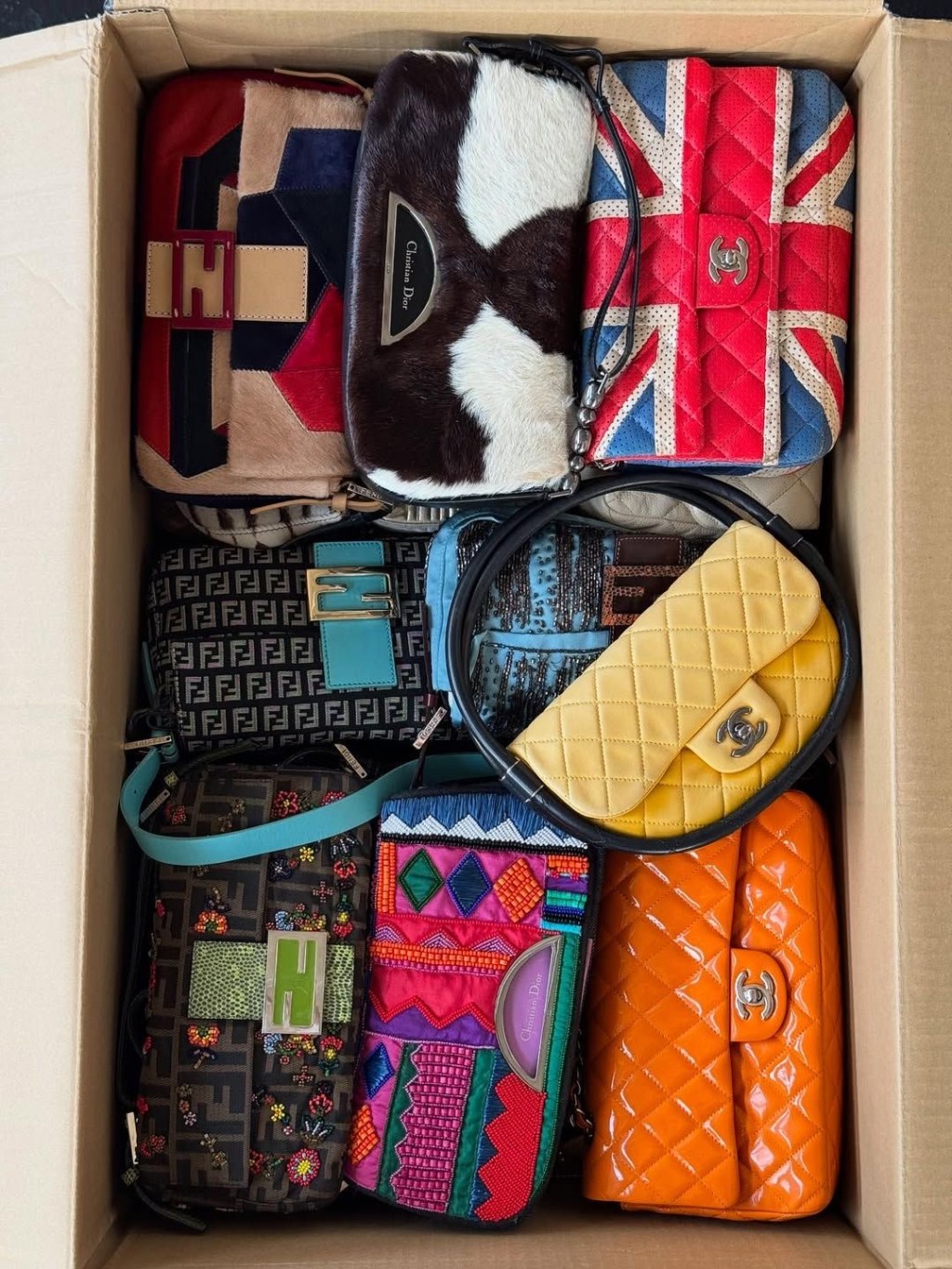
The Second Life of a Luxury Bag
This article is authored by Anushka Naugain. She is an advocate practising before the High Court of Delhi, with a focus on contract law, intellectual property, and mediation. A luxury handbag does not necessarily die when its first owner stops carrying it. It may be placed in a wardrobe, passed to a daughter, sold through…
-
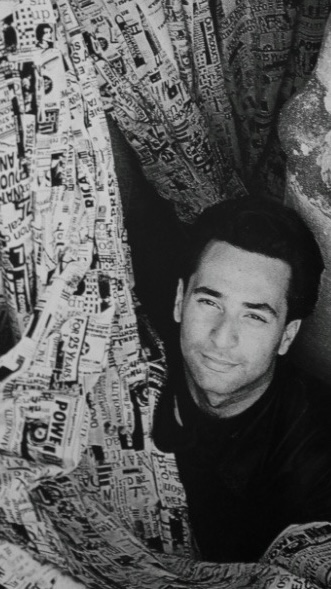
How Rohit Khosla Put Modern India on the Fashion Map
Issued by the Editorial Board, Fashion Law IP Blog. There was a time when “Indian fashion designer” was barely an established professional identity. India had textiles. It had master craftsmen, embroiderers, weavers, tailors and centuries of sophisticated sartorial traditions. It had the sari, the kurta, the sherwani and an extraordinary vocabulary of regional dress. What…
-

August 2026 in Review: Brands, Battles & the Law
Issued by the Editorial Board, Fashion Law IP Blog. 1. When Your Smartwatch Becomes a Counterfeit Store: Swatch v Samsung A smartwatch face might look like harmless software. But what happens when that digital display carries the visual identity of a luxury watch brand? In August 2026, the UK High Court ordered Samsung to pay about…
-

The Bat-Suit Is the Character: Reading Batman Through His Costume Across Generations
This article is authored by Aminesh Nayan Gogoi, Editor-in-Chief, Fashion Law IP Blog. Batman has changed his suit more often than most people change their idea of what a hero should look like. That is not an accident. Put Adam West’s Batman beside Robert Pattinson’s and the difference is almost absurd. One looks as though…
-

How Alexander McQueen Made Fashion Dangerous
Issued by the Editorial Board, Fashion Law IP Blog. When fashion shocks, the shock is usually temporary, a dramatic silhouette, an unusual fabric, an unexpected casting choice. Alexander McQueen approached this differently. He treated the runway less as a place to display clothes and more as a place where clothes could confront the viewer. His…
-
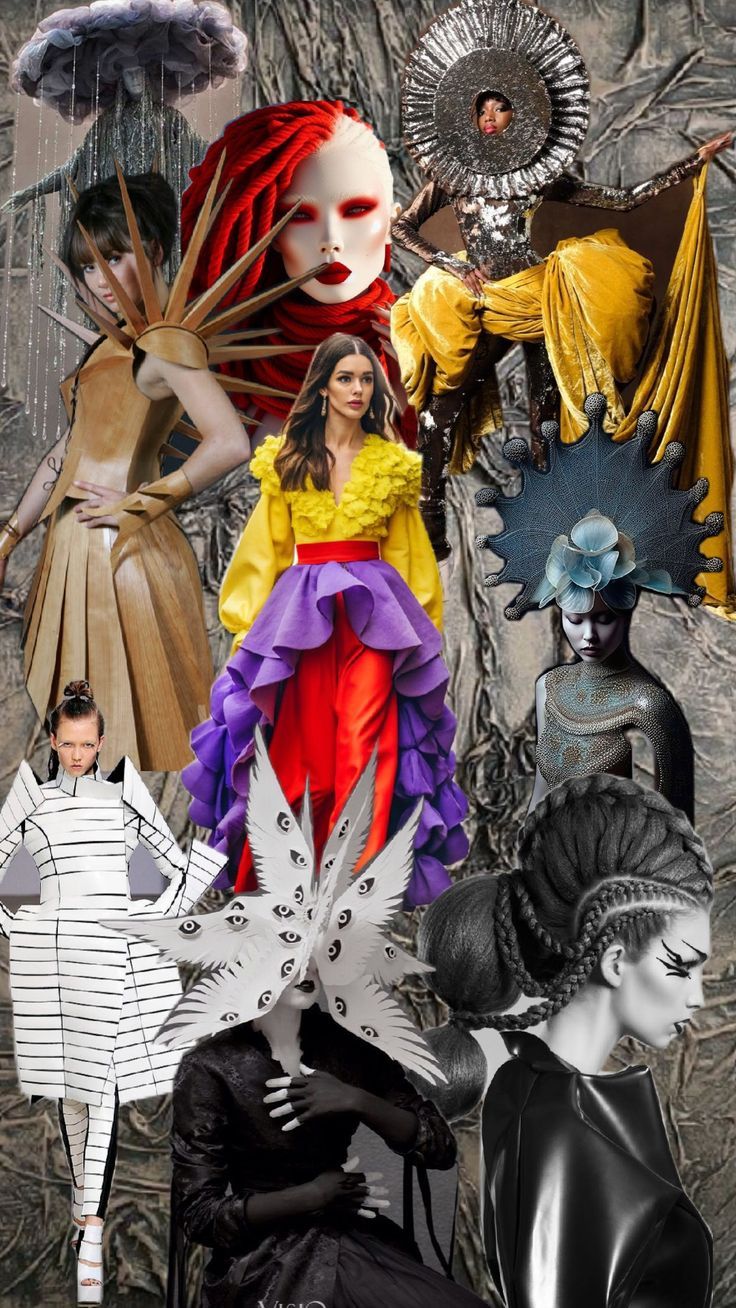
When Fashion Refuses to be Owned: Avant-Garde Creativity and Legal Limits
This article is authored by Shreesti Phunyel, a third year B.A.LLB (Hon’s) student at the National Law University and Judicial Academy, Assam. IntroductionFashion has long transcended its conventional role as clothing to become a medium of artistic expression, cultural commentary, and conceptual experimentation. Among the many movements that have challenged traditional notions of dress, avant-garde…
-

Who Are You Wearing? Fight Club, Fashion, and the Performance of Identity
This article is authored by Aminesh Nayan Gogoi, Editor-in-Chief, Fashion Law IP Blog. “You are not your job. You are not how much money you have in the bank. You are not the contents of your wallet.” – Fight Club (1999) More than twenty-five years after its release, Fight Club continues to be interpreted as a film about masculinity, anti-consumerism, violence,…
-

July 2026 in Review: Monograms, Metaverse & Marks
Issued by the Editorial Board, Fashion Law IP Blog. Bet Against the Monogram, Lose in Court On 1 June 2026, Louis Vuitton Malletier filed suit in the United States District Court for the District of Maryland against the operators of Maryland Live! Casino and its parent, The Cordish Companies, alleging trademark counterfeiting, infringement, dilution and false…
-

How Rei Kawakubo Invented Anti-Fashion
Issued by the Editorial Board, Fashion Law IP Blog. Fashion has traditionally been measured by its ability to produce beauty. Throughout history, designers have pursued harmony, elegance, proportion, and ornamentation, creating garments that reflected prevailing ideals of attractiveness and luxury. Haute couture celebrated craftsmanship through embellishment, ready-to-wear democratized style, and luxury houses perfected the art…
-

How Phoebe Philo Made Minimalism Desirable
Issued by the Editorial Board, Fashion Law IP Blog. Fashion has long rewarded excess. Throughout much of the twentieth century, luxury became synonymous with embellishment, recognisable logos, seasonal novelty, and garments designed to command attention. Fashion weeks celebrated spectacle, advertising campaigns glorified aspiration, and consumers were encouraged to believe that luxury was something immediately visible.…
 FASHION LAW