
This article is authored by Sarthak Mishra, a third-year B.A. LL.B. (Honors) student at Dharmashastra National Law University, Jabalpur.
The Role of Geographical Indications in Preserving Traditional Textiles and Cultural Heritage
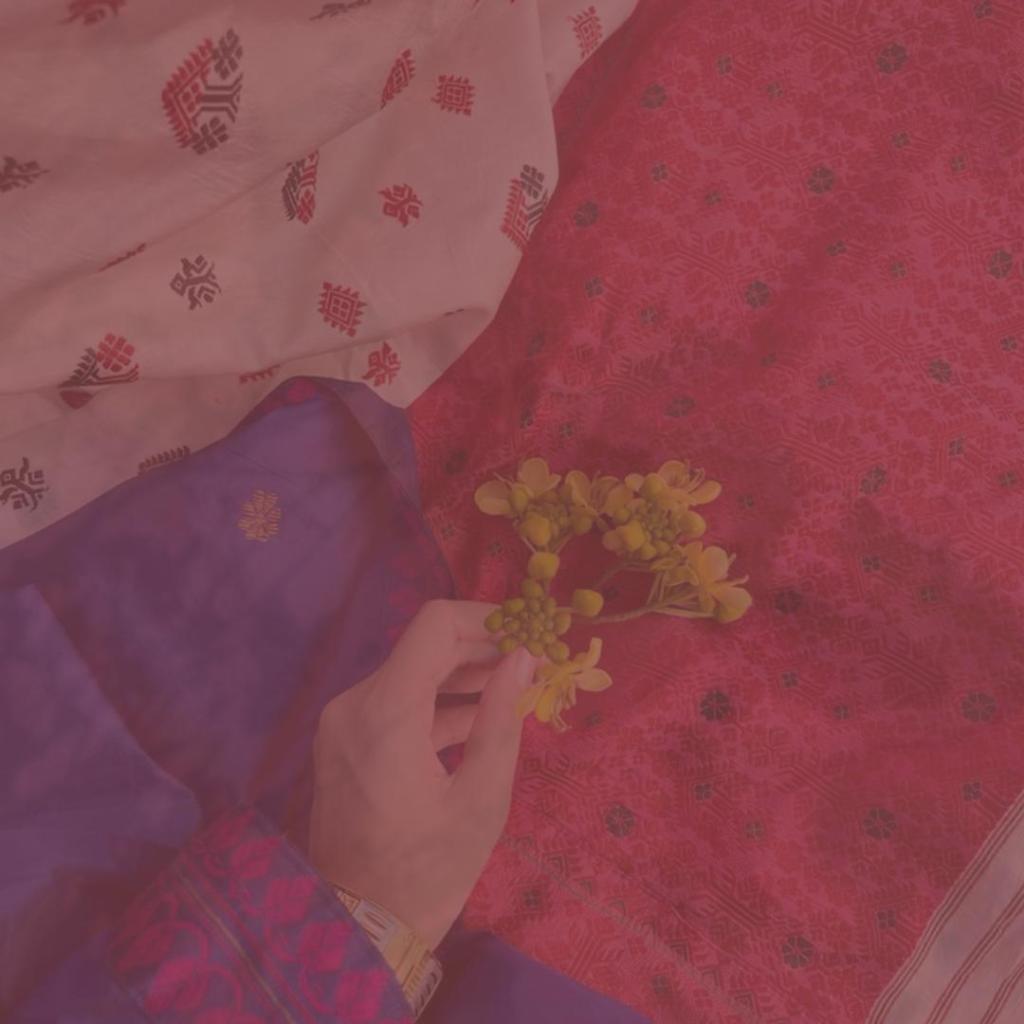
Traditionally used textiles have a certain place in the fashion industry today; they are a representation of their past value in history, culture, and aesthetics. Be it Pashmina shawls[i] from India or silk Nishijin-ori[ii] from Japan, they were not only wearables but represented rich cultural heritage due to the presence of thousands of generations of artisans involved in making those garments. Mass production and other practices such as cultural appropriation[iii] as well as fake items create a challenge to the continuation of these pieces. To combat these challenges, GI[iv] laws have emerged as very effective tools for the protection and preservation of such traditional crafts. This blog delves into the importance of GI protection for handloom heritage: its legal framework, benefits, and case studies to illustrate its application and impact in the global market.
It is an intellectual property right that identifies a product as one originating from a particular place where such qualities, reputation, or characteristics are essentially associative with that place of origin. GIs are not similar to trademarks since they represent community or region-related products and safeguards communities’ rights, further, it provides assurance that the product is authentic and of good quality. The Geographical Indications of Goods (Registration and Protection) Act, 1999, governs registration and protection in the Indian context. This very law allows communities to brand their traditional goods under a GI label, thereby restricting misuse of the products in unauthorized ways. It provides further international recognition because, India being a signatory to the TRIPS[v] administered by the World Trade Organization, it recognizes such rights that would be available to domestic GI owners.
GI protection of these traditional textiles is of utmost importance. It has the potential to economically empower artisans and weavers, allowing them to command a premium price in the market significantly enhancing their economic conditions. Furthermore, in order to prevent cultural appropriation, GI protection is critical because it ensures the protection of special, unique creations designed by people around the globe, especially traditional designs and patterns, against exploitation by global brands in most cases without obtaining or acknowledging permission. Another important benefit the GI protection offers is promotion of sustainability: the traditional production techniques of handloom are not environmentally unfriendly and less unsustainable, as it consists of sustainable materials and a skill. Encouragement of this kind of practice, GI protection thus renders an alternative method of production away from the pollution-heavy nature that fast fashion goes along with. In addition, registration under GI legally safeguards the cultural heritage of traditional textiles: they are perceived to be known and appreciated in a globalized market once again.
The Legal Framework and Global Impact of Geographical Indications on Traditional Crafts
The legal structure that safeguards GI in India is pretty strong, as it is based on the Geographical Indications of Goods (Registration and Protection) Act 1999 enacted to fulfill TRIPS obligations. The Act defined a GI as an indication associated with one region or country’s natural conditions, derived quality, reputation, or other characteristics linked directly to that particular region. The products have to undergo a verification process wherein the Geographical Indications Registry in Chennai verifies their origins and other characteristics. A GI tag is valid for ten years from the date of registration and can be further renewed. The rights are exclusively that of the producers within the defined geographical area, thus enabling them to prevent misuse or unauthorized use by others. The Act also gives scope for penalties in terms of imprisonment and fines in case of GI infringement and acts as a deterrent to counterfeit production.
The following case studies illustrate the successful application of GI protection in India:. One of the most famous examples is the Kanjeevaram silk saree[vi]. It is one that boasts rich, lustrous silk and intricate zari work. Post GI registration in 2005, the Kanjeevaram saree has gained an international reputation, enabling local weavers to protect the authenticity of their craft and counterimitations. Another significant case is that of Pashmina wool, so silky-soft and warm. It also included counterfeit “Pashmina”. GI registration in 2008 facilitated the authentication of the original Pashminas, allowing artisans from Jammu & Kashmir to regain this valued cultural item. Banarasi silk saree[vii], known for its richness in brocade and ornate embroidery, is woven along the tradition of Mughal patterns in Varanasi. Registered as a GI in 2009, this status has controlled the production of cheaper replicas, which has preserved both the value and authenticity of the textile. In addition, though not a textile, the case of Channapatna toys from Karnataka is an exemplary case of GI protection. These unique, eco-friendly toys[viii] received GI registration in 2006, which brought international attention and proved how GI laws could support traditional crafts in the global market.
The success of GI protection in India has inspired the protection of traditional crafts with GIs in several countries across the globe. An example is Japan, where Nishijin-ori silk[ix] has been accorded GI laws, or Champagne[x], which France had long protected under its GI laws. The European Union grants GI status to products in its PGI scheme. International recognition of its GIs will be a provision of many bilateral trade agreements India enters, opening the Indian textile market to a larger population but maintaining its high-value status.
Though GI protection is highly beneficial, it comes with many challenges. Counterfeiting is one of the biggest problems that continue to haunt this area, especially in the internet, which is a difficult place to monitor. The local and international laws must be better implemented to counter such practices. The benefits of GI laws are not known to most artisans and weavers. This is a restriction of the scope of GI applications, making them vulnerable to exploitation by larger corporations. The costs of maintaining GI status and defending it against infringement are also heavy burdens for smaller communities and cooperative groups, especially without the support of the government. The digital world also raises the question on whether the existing intellectual property laws are sufficient enough in protecting indigenous knowledge from co-optation by fashion brands and designers.
To prevent GI protections from becoming weaker, the following measures might be taken. Governments as well as NGOs can provide awareness to artisan communities in regard to GI protections as well as teach them about how to register their product and its benefits. The GI laws therefore should be responsive to the challenges occasioned by the online selling platforms where it is now easier to sell counterfeit merchandise. Strengthening cases of legal action against those perpetuating the business of counterfeiting on e-commerce platforms will better be able to defend the traditional textile. Sustainability tourism to GIs registering regions can help open fresh economic opportunities to artisans when global appreciation for the crafts and traditions is applied. Besides, there can be international recognition accorded to Indian GIs under bilateral and multilateral agreements that can help market Indian handlooms properly while respecting and valuing the traditional crafts.
Geographical Indication protection may well be a very viable legal tool for the retention of traditional textiles and their heritage in handloom art. The GI status recognized worldwide by an increasing number of communities adds a responsibility of support and protection for legislators, leaders in industry, and the consumer. This is more of a necessary way to overcome the dominance of fast fashion and digital culture with their rich histories hidden away in these traditional crafts and GI laws as a viable way toward keeping the living heritage available. Through its GI protections, we make an industry that appreciates the handwoven textile of every piece as an example of artistry, history, and identity. Thus, continued advocacy, education, and strategic legal frameworks will ensure that the brilliant future of traditional textiles and the stories of artisans for generations are protected.
Endnotes:
[i] Pashmina Shawls – A type of fine cashmere wool, originally from the Himalayan region, known for its softness and warmth.
[ii] Nishijin-ori – A traditional textile made in the Nishijin district of Kyoto, Japan, characterized by its intricate patterns and vibrant colors.
[iii] Cultural Appropriation – The adoption of elements of one culture by members of another culture, often without permission and in a way that can be exploitative.
[iv] Geographical Indications (GI) – A sign used on products that have a specific geographical origin and possess qualities or a reputation that are due to that origin.
[v] TRIPS Agreement – The Agreement on Trade-Related Aspects of Intellectual Property Rights, which is administered by the WTO and sets minimum standards for intellectual property protection.
[vi] Kanjeevaram Silk Saree – A traditional silk saree from Kanchipuram, Tamil Nadu, India, renowned for its rich texture and vibrant colors.
[vii] Banarasi Silk Saree – A traditional saree from Varanasi, known for its luxurious silk fabric and intricate brocade work.
[viii] Channapatna Toys – Traditional wooden toys made in Channapatna, Karnataka, known for their colorful and eco-friendly design.
[ix] Nishijin-ori Silk – A type of silk textile produced in the Nishijin area of Kyoto, Japan, known for its historical significance and craftsmanship.
[x] Champagne – A sparkling wine produced exclusively in the Champagne region of France, protected under GI laws.
 FASHION LAW
Leave a comment