
This article is co-authored by Prosfutita Singha, fifth year and Shahil Bhattarai, third year B.A. LL.B. (Hon’s) students at the National Law University and Judicial Academy, Assam.
A $10M Sydney bust tore open fashion’s darkest seam, where knockoff glamour bankrolls crime and endangers lives. Are your stylish indulgences unknowingly funding crime? Is a “first copy” bag just a harmless indulgence or could be more than just a bargain or part of a global racket poisoning economies and people alike? Who truly pays the price for fake luxury; the brand, the buyer, or the society stitched in between?
When Luxury Meets Criminal Enterprise
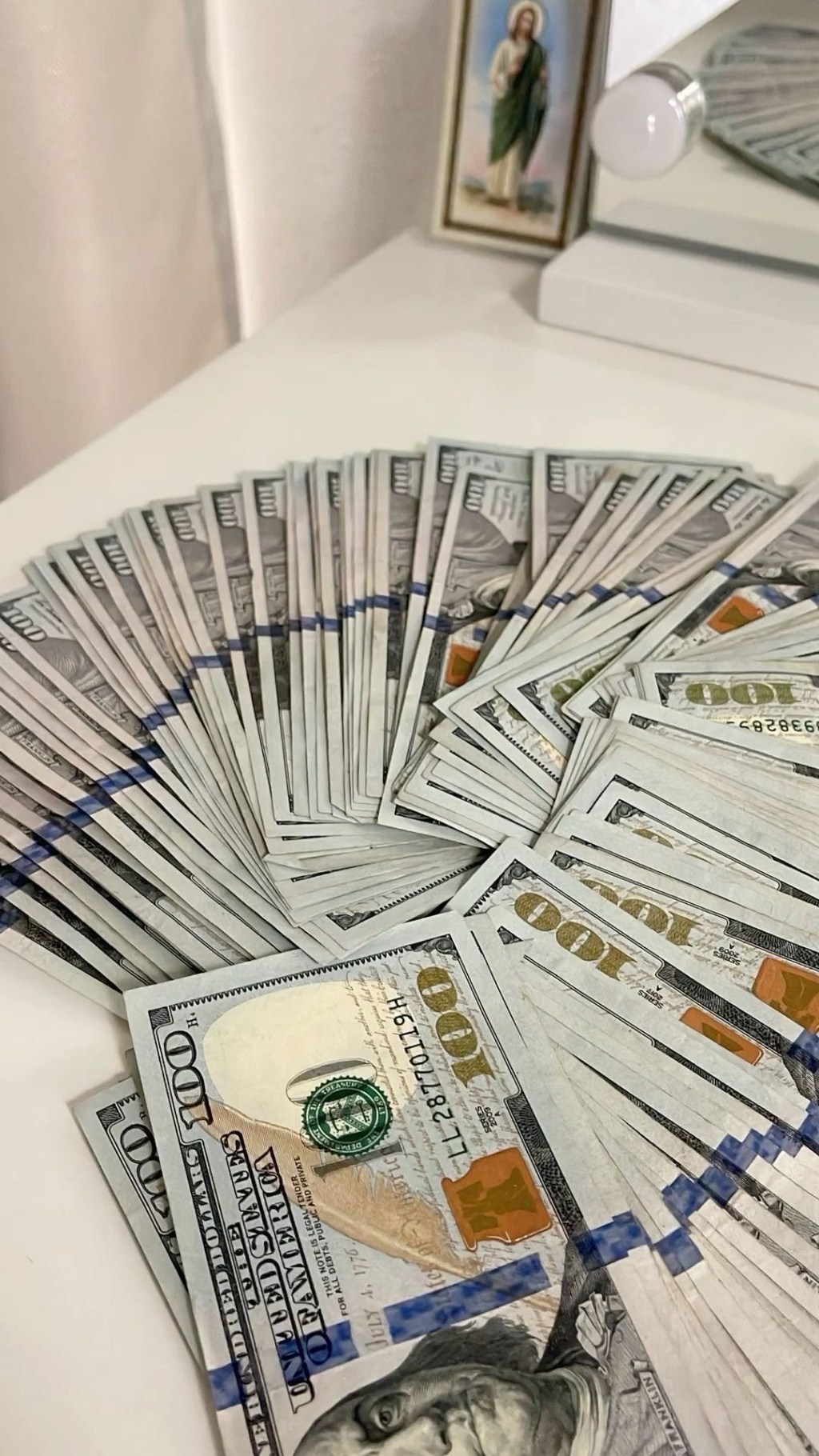
In June 2025, Western Sydney, Australia became the unlikely stage for a high-stakes fashion sting. What police found was far beyond “just fake handbags”. Lamborghinis, luxury watches, a McLaren and $270,000 in cash were seized, dismantling a syndicate that allegedly raked in nearly $10 million selling counterfeit designer goods on social media apps. This wasn’t mere profit-seeking rather was a stylishly cloaked criminal network exploiting brand allure and digital platforms, where fashion glamour collides with organised crime. While the Sydney bust made headlines, it highlights a global issue. From Paris runways to Mumbai markets, counterfeit luxury fuels money laundering, modern slavery, and a sprawling criminal underworld.
Led by Strike Force Alcova in collaboration with the Unexplained Wealth Unit and NSW (New South Wales) Crime Commission, the investigators traced over 500 fake designer items consisting of clothing, handbags, shoes, and watches alongside a $3 million fleet of luxury supercars. Charges went beyond intellectual property infringement to include proceeds of crime offences and participation in a criminal group under the NSW Crimes Act 1900. Assets were frozen, and recovery proceedings launched. This case proves that counterfeit fashion is no longer a fringe hustle rather a sophisticated, multi-layered operation demanding legal precision and investigative ingenuity. Behind every fake handbag lies a tangled network, and the question remains: who really pays the price for glamour gone rogue?
The Legal Confrontation with Counterfeit Fashion
The UN Office on Drugs and Crime (UNODC) warns that counterfeit goods are a “low-risk, high-profit” crime, often tied to human trafficking, forced labour, and organised crime. Worth over USD $500 billion annually, counterfeiting has outgrown street markets, thriving instead on e-commerce platforms, encrypted chats, and influencer-driven sales. These aren’t clumsy knockoffs anymore. Today’s counterfeits dubbed “super fakes” mirror luxury originals with precision branding and high-quality materials, fooling even seasoned buyers. Yet behind their glossy finish lies a darker truth; sweatshops where exploited workers, including children, face unsafe conditions, long shifts, and poverty wages. Counterfeiting, then, isn’t only about stolen trademarks, it’s a hidden human rights emergency.
The Sydney counterfeit bust revealed how criminal and intellectual property laws converge. At the state level, the Crimes Act 1900 (NSW) criminalises organised group activity and illicit profits. Nationally, the Trade Marks Act 1995 (Cth) (especially Section 120) tackles trademark misuse, while the Proceeds of Crime Act 2002 (Cth) allows seizure of illegally acquired assets, crippling the financial base of counterfeit rings. Globally, the WTO’s TRIPS Agreement sets minimum IP standards, while INTERPOL and the World Customs Organization (WCO) enhance cross-border enforcement, pooling intelligence to disrupt networks that span continents. The counterfeit trade is not just a threat to luxury brands; it endangers consumers, weakens economies, and violates human dignity. Behind every fake handbag lies a crime scene, and the law is now strutting onto the runway to fight back.
The Indian Parallel: First Copies, Big Consequences
India’s luxury market may be smaller than Australia’s, but its counterfeit footprint is strutting at full pace. FICCI-CASCADE estimates billions slip through tax coffers annually, thanks to fake fashion and accessories. Social media has become the ultimate digital catwalk for these “first copies,” connecting buyers and sellers in a blink, making every scroll a potential shopping spree into a criminal underworld. The Trade Marks Act, 1999 arms brands with civil and criminal remedies injunctions, damages, and prosecution. Artistic knockoffs fall under the Copyright Act, 1957, while the Customs Act, 1962, with the IP (Imported Goods) Enforcement Rules, lets authorities intercept fakes before they hit the streets. The Prevention of Money Laundering Act, 2002 freezes assets, cutting off the glittering lifeblood of illicit profits.
But even the sharpest legal scissors can’t snip the tangled web alone. Australia’s Strike Force Alcova proved it via their coordinated action. India, with its sprawling “first copy” markets and twisty supply chains, could benefit from the same multi-agency stitch-up. Every “first copy” bought is more than a bargain; it’s a thread in a global tapestry of crime, lost revenue, and human exploitation. The label may be fake, but the consequences are very real.
India’s First Copy Fashion Without Logos and Law Without Teeth
In Australia, counterfeit crackdowns often hinge on fake Chanel or Louis Vuitton logo which are easy wins under trademark law. India’s thriving “first copy” scene plays it slightly differently; the design is copied, the logo is left out, and the Indian law struggles to catch up. The Designs Act, 2000 protects only registered designs, but most designers skip registration because it’s slow, expensive, and pointless once a trend fades. Section 15 of the Copyright Act, 1957 complicates things further by stripping copyright once a design is registered, and even unregistered designs lose protection after 50 reproductions. That means copycats walk free while original creators face uphill battles. Even when rights exist, proving “obvious imitation” is tough, tweak a stitch or silhouette, and liability slips away. Authorities meanwhile go after blatant trademark misuse, while design piracy is left to thrive. Throw in India’s appetite for cheap “luxury looks” and weak penalties, and you have the perfect breeding ground for replicas. Unlike Australia’s clear-cut, trademark-heavy prosecutions, India’s legal grey zones keep the first copy business alive and kicking.
In New South Wales, the Criminal Assets Recovery Act 1990 flips the script thereby letting authorities seize assets even before conviction, forcing suspects to prove that their wealth isn’t dirty money. Strike Force Alcova used this power brilliantly, freezing millions in cars, cash, and designer loot long before the courtroom lights came on. It’s a system that hits criminals where it hurts most; their wallets. India, however, plays by older rules. The Prevention of Money Laundering Act, 2002 and the Benami Transactions (Prohibition) Act, 1988 allow property seizures, but only if investigators can prove a direct link between the asset and a scheduled offence. As Delhi High Court rulings reported by LiveLaw and Verdictum (2024) highlight, this “prove first, seize later” model slows enforcement to a crawl. There’s no law that simply asks, “How did you afford that?” and that gap gives counterfeiters time to vanish and reboot. The same story repeats in India’s IPR cases. In Cartier International AG v. Gaurav Bhatia (2016) and Christian Louboutin SAS v. Nakul Bajaj (2018), courts granted strong injunctions against online counterfeiters but slow execution and lack of asset-freeze powers meant the fakes were back before the ink dried. Even in Rolex SA v. Alex Jewellery Pvt. Ltd. (2009), the victory on paper didn’t translate to real-world deterrence. While Indian courts can issue search warrants or ex parte injunctions, both are tangled in red tape, evidence burdens, and overstretched agencies. Meanwhile, Strike Force Alcova’s playbook – police, crime commission, and wealth unit working as one shows what legal synergy can actually achieve.
The difference is cultural as much as legal. Australia believes in stopping the money flow before the trial; India believes in proving the crime before touching the money. Until that flips, the fake market will keep cashing in while the law catches up.
Conclusion: Behind the Glamour Lies the Grit
The counterfeit couture industry isn’t just stealing logo but livelihoods, ethics, and the very soul of creativity. Every “first copy” flaunted as a savvy steal is, in truth, a symbol of silent exploitation and organised deceit. The Sydney bust wasn’t a mere fashion scandal but a wake-up call stitched with global implications and real lessons for countries still playing catch-up.
The Sydney counterfeit bust offers three key takeaways for global brand protection. First, follow the money and treat counterfeiting as organised crime, not just an IP issue. Asset seizures strike syndicates where it hurts most, far deeper than product raids ever could. Second, integrate agencies and combine IP enforcement with financial crime units and cyber divisions to weave a tighter net around digital and underground trade. Third, leverage technology i.e. AI, data analytics, and cross-platform partnerships can expose and disrupt distribution channels faster than traditional policing ever will. While Australia has learned to chase the money trail, India is still chasing shadows armed with outdated laws and slow scissors trying to cut through a fabric of global crime. What looks like fashion rebellion online is, in reality, a system that launders millions, fuels exploitation, and mocks genuine artistry. It’s time we unlearn the romance of “dupes” and call them what they are: designer crimes dressed in deceit. Because until fashion lovers, lawmakers, and enforcers walk the same runway of accountability, fake labels will keep making real millions, and we’ll all be complicit in the costume drama of crime.
 FASHION LAW
Leave a comment