
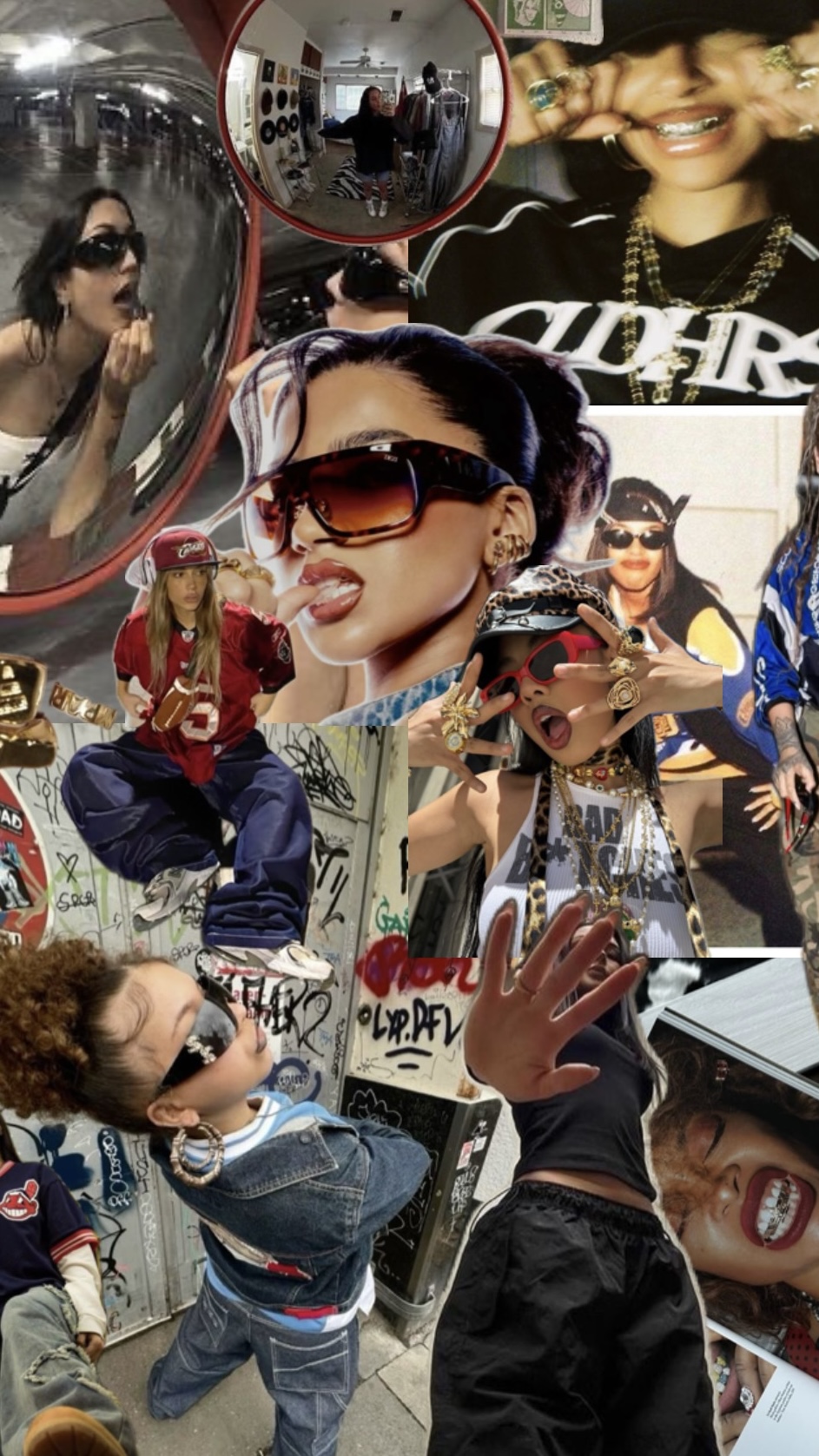
Issued by the Editorial Board, Fashion Law IP Blog
Gen Z consumers (born 1997–2012) are now a driving force in fashion. In India, for example, Gen Z (~27% of population) is projected to command 50% of the fashion market by 2030. Globally, Gen Z’s preferences, fast, affordable, digitally-mediated fashion, are reshaping industry practices. These trends pose new legal and policy challenges around digital marketing, e-commerce, and sustainability. Regulators worldwide have responded: disclosure rules for influencers have tightened (e.g. India’s ASCI guidelines, UK’s ASA rules, U.S. Endorsement Guides), platform liability is being redefined (EU’s Digital Services Act, DMA; U.S. Section 230 debates), and consumer protection laws are evolving for online sales.
The Indian fashion industry is currently experiencing a massive vibe shift, fundamentally driven by Generation Z stepping up as the ultimate economic and cultural heavyweights. Projected to dominate nearly half of India’s fashion consumption over the next decade, this demographic operates with total main character energy, completely disrupting the market’s traditional norms. For older generations, buying clothes was a simple, transactional errand. But for Gen Z, fashion, personal expression, and digital identity are entirely meshed into one chronically online continuum. However, the existing legal architecture, especially regarding intellectual property rights, e-commerce liability, and influencer regulation is totally out of sync with this hyper-accelerated reality. Put simply, traditional fashion law is decidedly mid, functioning on dial-up speed while the culture moves at the pace of a viral TikTok. Capturing this dynamic is essential for anyone chronicling the industry’s future in literature or online commentary, as the gap between outdated statutes and modern consumption has never been wider.
A core feature of this new ecosystem is the absolute chokehold of influencer culture on platforms like Instagram and YouTube. These creators act as the ultimate plug, democratizing marketing and serving as powerful middlemen between legacy brands and young consumers without ever having to officially register as commercial advertisers. The Advertising Standards Council of India (ASCI) tried to rein this in with their 2021 “Guidelines for Influencer Advertising,” demanding that creators drop the gatekeeping and explicitly disclose their brand partnerships. Yet, these guidelines are entirely self-regulatory, essentially functioning without the actual teeth of statutory law. Influencers constantly blur the line between dropping a genuine personal hot take and pushing a sponsored shill, creating a massive regulatory black hole. They materially shape consumer behavior and core aesthetics, yet easily dodge proportionate liability under the Consumer Protection Act, 2019. It’s giving major accountability issues, as the broad definition of a “misleading advertisement” under Section 2(28) is notoriously difficult to enforce against decentralized creators who leverage parasocial relationships to sell products.
This legal ambiguity spirals even further out of control within the digital commerce space, where platforms like Myntra, Ajio, and Amazon act as the default shopping destinations for curated fashion. The legal architecture governing this space, primarily the Consumer Protection (E-Commerce) Rules, 2020, routinely fails to protect these chronically online shoppers. Platforms frequently hide behind “intermediary status” to wash their hands of liability, essentially ghosting the consumer when third-party sellers push cheap dupes, knock-offs, or deceptive products. Furthermore, the aggressive rise of dark patterns exploits cognitive biases to manipulate purchasing decisions, acting as a highly sophisticated form of algorithmic gaslighting. By manufacturing fake scarcity or weaponizing FOMO (Fear Of Missing Out), these platforms hijack the user experience. When commerce is entirely mediated by hyper-curated feeds and algorithmic recommendation engines, the boundary between informed consumer consent and outright digital manipulation becomes incredibly blurry.
Parallel to this digital chaos is the iron-grip dominance of fast fashion. Mega-brands like Shein and Zara thrive on rapid production cycles and aggressively low-cost manufacturing, perfectly feeding the Gen Z demand for instant gratification and affordable drip. However, this business model is inherently toxic to the environment, and India severely lacks a comprehensive framework for Extended Producer Responsibility (EPR) in the apparel sector. This leaves a massive regulatory void where environmental statutes like the Environment (Protection) Act, 1986, barely make a dent. From an intellectual property rights perspective, the situation is equally grim. Fast fashion thrives on copying, yet traditional IP law offers almost zero actual protection. Clothing designs rarely meet the strict thresholds of originality and fixation required for copyright protection, and registering a design under the Designs Act, 2000, is a painstakingly slow, procedurally intensive nightmare. Legally, the intellectual property system simply cannot regulate or protect an ecosystem that is structurally built on speed-running trends and instantly replicating runway looks.
Where the formal legal system completely flops, Gen Z steps up with aggressive digital mobilization. Cancel culture, viral call-outs, and online boycotts have effectively become a crowd sourced, informal regulatory system. By putting brands and creators on blast and demanding receipts, consumers can force immediate apologies and policy changes in ways that sluggish traditional courts never could. While this radically redistributes power back to the consumer and democratizes accountability, it completely bypasses the concept of due process. This vigilante internet justice risks spreading misinformation and destroying reputations via decentralized, platform-driven mobs, meaning anyone can get ratioed over an unverified claim. The heavy reliance on this kind of digital enforcement just highlights how deeply inadequate our current legal frameworks actually are when dealing with a hyper-connected marketplace.
To stay relevant, the future of fashion law in India desperately needs a major software update. The legal system must view the industry through a Gen Z lens by statutorily recognizing influencers as commercial entities, stripping away the blanket intermediary protections for e-commerce sites to demand real transparency, and drafting sector-specific sustainability and algorithm regulations. Ultimately, Gen Z has transformed fashion from a purely product-centric industry into a massive attention economy, where value is generated through clout and virality just as much as it is through actual design and craftsmanship. If the law is going to survive, foundational concepts, from intellectual property ownership to advertising liability, must evolve alongside these cultural forces, or risk becoming entirely obsolete in the modern digital era.
References:
- Consumer Protection Act 2019 (India).
- Consumer Protection (E-Commerce) Rules 2020.
- Information Technology (Intermediary Guidelines and Digital Media Ethics Code) Rules 2021.
- Advertising Standards Council of India, Guidelines for Influencer Advertising in Digital Media (2021).
- Central Consumer Protection Authority, Guidelines for Prevention of Misleading Advertisements and Endorsements for Misleading Advertisements (2022).
- Advertising Standards Council of India, Top Influencer Compliance Scorecard (2024).
- Advertising Standards Council of India, Press Release on Dark Patterns and Greenwashing Campaign (2026).
- ASV Legal LLP, ‘Influencer Advertising and Legal Compliance in India’ (2024).
- Khaitan & Co, ‘ASCI Releases Influencer Advertising Guidelines for Digital Media’ (2021).
- Managing IP, ‘Inside India’s Legal Playbook for Influencers’ (2025).
 FASHION LAW
Leave a comment