
This article is authored by Alisha Painkra, second year B.A. L.L.B (Hon’s) student at the Hidayatullah National Law University, Raipur.
The Rise of Fast Fashion and the Moral Hazard Framework
With the rapid increase in the popularity and use of social media and influencer culture, consumption has become performative. Social media dictates trends, relevance, and desirability. The industry deeply influenced by this shift is fashion.
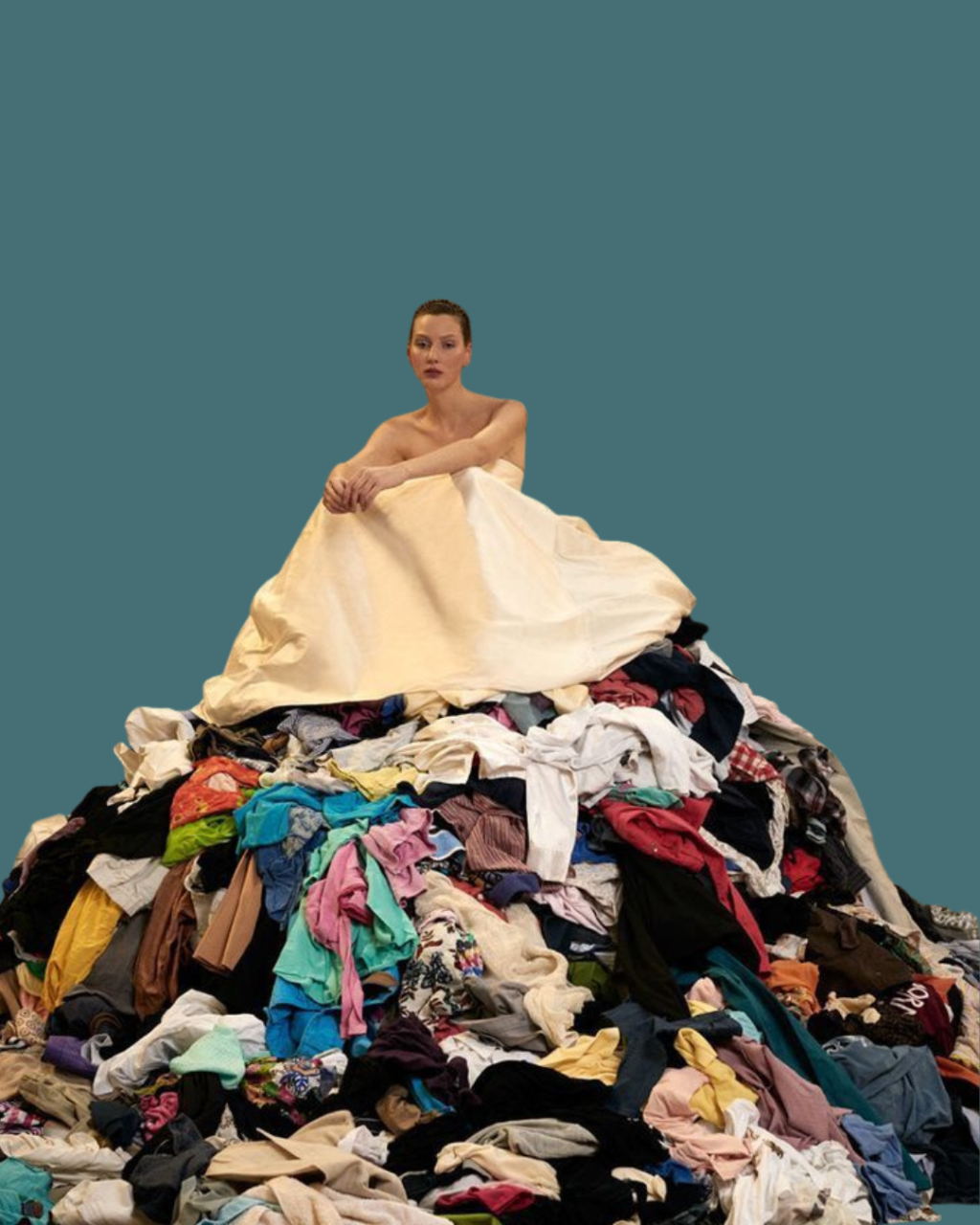
With time, economic progression, and a rise in inflation, the cost of living has increased more than ever. Consumers are chasing an image, but on a budget. And to curate the image, fast fashion is a rapidly growing industry, such as Shein, H&M, and ZARA, which produce clothing, rapidly reproducing trends inspired by high-end fashion, often in poor quality.
Fast fashion outsources labour and materials often from developing countries due to weaker labour laws, low wages, and resource exploitation. This keeps the profit-to-expenditure ratio high. Fast fashion undeniably generates employment, but it also raises the question: Does economic contribution alone shield fast fashion from the liability of being a morally grey concept? Not necessarily.
Moral hazard is when the people in power take the road that causes excessive harm to a large group of people, even if they know the consequences of such actions might be harmful in the long run. Big corporations still produce low-quality goods because of fast demand and lower cost of production, which again raises issues of environmental concerns because the material used doesn’t degrade into the soil and stays in the ecosystem for years. The workers from poor countries are acting out of necessity because of a lack of secure employment.
Does this generate revenue for the company, generate employment for workers, and boost the global economy? And that exactly is the predicament. It is a morally grey field. Demand is fulfilled, money flow increases, but also, clothes end up in mass dumps, labourers get leveraged, and human rights are violated. Who pays? Consumers. Clothes are sold at a price higher than the one they were produced in, of a cheaper quality than the price, and the effect of habitat loss is borne by all.
It is different from externalities. It is an internal contractual issue stemming from asymmetrical information and reduced risk of exposure. Externality is the cost endured by the people who had no part in the creation of the risk. Unlike externality, moral hazard is a conscious decision made in the boardrooms of corporations to quietly shift the risk for reduced accountability. The current environmental risk due to fast fashion is an externality. Vicarious liability comes after the damage is already done. It is a legal doctrine where one party takes responsibility for the tort committed by another, no matter if the party was directly involved in the act. The third parties are vicariously liable for the damages, therefore preventing full exposure of responsibilities to the corporations.
These corporations repeatedly face allegations of workers in poor conditions and below minimum wages and labour exploitation, practices that directly contradict the foundational principles of the International Labour Organisation. Many times, companies work around the laws and sidestep vicarious liability via subcontractors, and the cost of externalities is borne by consumers and ecosystems.
Moral hazard in the fashion industry is an intersection of weak enforcement and regulations within labour, environmental, and corporate liability.
Labour Exploitation and Legal Gaps
Fast fashion is producing trendy clothes in a shorter amount of time and in large quantities. While the company does provide money and handles the cost of expenditure, it hires a large number of labourers to hand-make the clothes and reduce the cost of machines, but the amount of manual labour that is used in the making should be met with enough compensation for their work.
In 2024, Shein revealed two cases of child labour from a supplier’s factory and terminated contracts with the said agency and strengthened its policies. But this issue is not limited to Shein alone. There are 54 million children in hazardous work (out of ~138 million in child labour globally). As for India, it is a violation of Article 24 of the Constitution and globally, ILO’s Convention 138 which requires nations to set a minimum age of employment which should not be less than the minimum age of compulsory schooling and 182 which mandates immediate, time-bound, and effective action by ratifying states to ban and eliminate child labour practices, including slavery, trafficking, forced recruitment for armed conflict, prostitution, and hazardous work, for anyone under 18 years. India has officially ratified the ILO Convention No. 138 and 182 on June 13, 2017 in Geneva, marking a significant commitment to abolition of child labour in the country. The law, despite existing, fails due to weak regulations, such as the existence of subcontracting and systemic poverty, as it compels the children to work even in hazardous industries.
Environmental Externalities and Regulatory Failure
Mass production of clothes leads to over consumption and quick discard of previous trends, which leads to environmental damage, as the clothes are mostly composed of polyester nowadays, which is not an eco-friendly fabric, as it is derived from oil. It stays in the environment for a very long time and erodes nature. Fast fashion uses a large amount of water to produce and harmful dyes for the clothes and emits a huge amount of greenhouse gases, which affects climate change. The United Nations, through the United Nations Environment Programme (UNEP) and the UN Alliance for Sustainable Fashion, is actively working towards addressing these issues. The UN recognizes that synthetic fibers like polyester, which make up roughly 60% of clothing, are derived from fossil fuels and take hundreds of years to biodegrade. UNEP reports that the laundering of synthetic textiles is responsible for 35% of micro-plastics in the ocean.
Corporate Structuring and the Evasion of Liability
They persist because of moral hazard. Large corporations often do not bear the full costs of the harms they create; consequently, they remain incentivized to continue such conduct.
Brands engage in, and profit from, the system, which is designed to insulate them from the legal, environmental, and labour costs of their production models. The business models currently prioritize profitability, low-cost mass production, and rapid turnover over human rights and safety. The brands create 52 “micro seasons” within a year, which require rapid production and keeping up with the trends. This generates high revenue for the brands as the social pressure of being trendy is high among consumers. But this is also accompanied by low wages for the workers. According to The Industry We Want, while the industry employs around 60 million people, a significant wage gap exists, with workers earning on average 41% to 45% less than a living wage in key producing countries. Consumer demand for low-cost, trendy outfits encourages brands to pursue cheap materials and unethical labour practices to keep prices low.
The Corporate Social Responsibility (CSR) is a commitment by businesses to contribute to sustainable development, ethical behaviour, and social behaviour, but it is traditionally voluntary and non-punitive, meaning it’s not binding and the companies are free to adopt it or not.
The work is often outsourced from poor countries or countries with weak labour laws enforcement, enabling them to work around the laws so brands can keep a high profit margin. They rarely own the factories from which they outsource their goods, hiring subcontractors; therefore, the liability of exploitation and immorality rarely falls directly on them. Vicarious liability in the fast fashion industry is a growing ethical and legal issue for holding brands liable and preventing them from being cushioned by third-party suppliers, subcontractors, and factories. The EU Corporate Sustainability Due Diligence Directive (CSDDD or CS3D), adopted in May 2024 and published in July 2024, requires large corporations to identify and work upon adverse human rights and environmental risks in supply chains, including non-EU suppliers like in India. Member States are required to transpose the directive by July 26, 2026 but after recent Omnibus amendments, the timeline has pushed it further, and phased applications starting from 2027-2029 (final wave ~2029 for largest companies).
Courts often fail to impose these liabilities properly due to reasons such as multi-tier subcontracting (middlemen who supply labours and materials to the corporations or supervise the work on behalf of the companies) meaning there is no direct engagement or control over the work therefore the burden of proof is not fulfilled, and the corporate veil which treats the companies as a separate legal entities from its owners. The legal frameworks usually insulate the parent companies from the liabilities incurred by the supplier. This is called the ‘corporate shield’ or the ‘corporate veil’.
Same for environmental damage. The products are green-washed and falsely marketed, also highlighting the issue of asymmetrical information and consumer exploitation, which again shifts the liability of environmental damage mainly to consumers by misleading them into consumption and usage of such products. The companies possess superior knowledge about their true materials and impacts of the products than consumers or investors, and use it to mislead sustainability claims.
Under India’s Consumer Protection Act, 2019, the Central Consumer Protection Authority can penalise misleading environmental claims, false endorsements, and unfair trade practices with fines up to ₹50 lakh and imprisonment. India’s BRSR (Business Responsibility and Sustainability Report) mandates top companies to disclose an environmental impact report, reducing vague greenwashing opportunities. These remedies uphold the global trends for environmental protection, like the EU Green Claims Directive, which requires independent verification of environmental claims. Apart from these, there are contractual obligations, like a consumer having bought a product due to a misleading eco-friendly claim; they can claim compensation. Or the companies can be liable for damages for tort of negligent misrepresentation, and the Advertising Standards Council of India takes actions against ads falsely claiming to be eco-friendly or pure.
The colonial mindsets still prevail, as seen in many brands outsourcing labour and resources from developing countries for the benefit of the western countries.
Rana Plaza Collapse: Scope of Labour Protection
The Rana Plaza collapse in Dhaka, Bangladesh, in 2013 is considered one of the most tragic garment industry disasters in the world, with a death toll of 1100+ and more injured. It highlighted the lack of accountability of transnational corporations in providing safe and adequate working conditions for the workers in their supply chain factories around the world. Upon investigation, the Rana Plaza did not meet safety codes and had unauthorized expansion. The incident recognized the limited rights of workers’ injury compensation.
The incident was a wake-up call for stronger legal protection of workers. In the Ready Made Garment (RMG) sector in Bangladesh, there was an increase in minimum wage, high-profile and voluntary audits, and reluctance to subcontract to smaller factories. The working conditions were improved, and a higher number of female employees was noticed, but the pay gap persisted between both genders.
Other outcomes were the legally binding Accord on Fire and Building Safety and Alliance for Bangladesh Worker Safety, which revolutionised global labour laws. It also triggered major amendments to the Bangladesh Labour Act of 2013 for the unionization, established rigorous factory inspection regimes, improved compensation, and spurred global demands for supply chain transparency and corporate accountability. It is a legally binding agreement, not voluntary like the CSR, between global brands, retailers, and trade unions, managed by a Steering Committee and enforced via arbitration through the Permanent Court of Arbitration. Ensuring a safe and healthy Ready-Made Garment (RMG) industry, it covers 1,600+ factories post-2013, impacting over 2 million workers. However, the accord is limited only to the said industry of Bangladesh.
Towards Legal and Policy Reform
Will this carry on? Production and supply will continue as long as the demand continues. Influences, peer pressure, and impulse buying are the key drivers. Until the consumers demand for low-cost current “season” clothes persists, the suppliers receive contracts for the poor-quality goods, as they are often paid for just that. The inflation is greater than the per capita income, which increases the demand for low-cost goods, which enables companies to keep producing, and the cycle carries on. The solution is to have better job security for the low-income groups, so they are not forced to work out of desperation, and stronger labour laws for their protection. There should be transparency in the supply chain and better enforcement of the laws. Until the corporations profit from distance and deniability, the responsibility will remain outsourced, just like the labour itself. And the consumers’ demand does play a role, so more mindful consumption by consumers, shifting to more eco-friendly brands and homegrown Indian brands selling traditional crafts (Banarasi Silk, Khadi, Pashmina, Bandhani, use of Indigo and Ajrakh), will also play a huge role in both sustainability and an internal boost of the economy, and yes, say no to that dress.
REFERENCES
- Accord on Fire and Building Safety in Bangladesh (May 15, 2013), https://bangladeshaccord.org
- Alliance for Bangladesh Worker Safety, “Final Report” or “Legacy Page” (2013–2018), available at https://bangladeshworksafety.org/ (last accessed March 26, 2026). The Alliance concluded its five-year mandate in December 2018.
- Banse, Frauke. “The Bangladesh Accord – A Model to Secure Workers Rights in Global Supply Chains?” Global Labour Column (December 7, 2015), http://column.global-labour-university.org/2015/12/the-bangladesh-accord-model-to-secure.html
- Bangladesh Labour Act, 2006, as amended by the Bangladesh Labour (Amendment) Act, 2013, Act No. XLII of 2013 (Bangl.).
- Bossavie, Laurent, Yoonyoung Cho & Rachel Heath. “The Effects of International Scrutiny on Manufacturing Workers: Evidence from the Rana Plaza Collapse in Bangladesh.” Journal of Development Economics 163 (2023): 103107.https://doi.org/10.1016/j.jdeveco.2023.103107.
- Directive (EU) 2024/1760 of the European Parliament and of the Council of 13 June 2024 on Corporate Sustainability Due Diligence and amending Directive (EU) 2019/1937, 2024 O.J. (L 1760) 1, https://eur-lex.europa.eu/eli/dir/2024/1760/oj
- INDIA CONST. art. 24.
- International Labour Organization, Convention No. 138 Concerning Minimum Age for Admission to Employment, June 26, 1973, 1015 U.N.T.S. 297, https://www.ilo.org/dyn/normlex/en/f?p=NORMLEXPUB:12100:0::NO::P12100_ILO_CODE:C138
- International Labour Organization, Convention No. 182 Concerning the Prohibition and Immediate Action for the Elimination of the Worst Forms of Child Labour, June 17, 1999, 2133 U.N.T.S. 161, https://www.ilo.org/dyn/normlex/en/f?p=NORMLEXPUB:12100:0::NO::P12100_ILO_CODE:C182
- International Labour Organization and United Nations Children’s Fund. Child Labour: Global Estimates 2024, Trends and the Road Forward (June 11, 2025), https://www.ilo.org/publications/major-publications/child-labour-global-estimates-2024-trends-and-road-forward
- Reid, Helen. “Shein Reports Two Child Labour Cases in 2024 as It Increased Supplier Audits.” Reuters (February 26, 2025), https://www.reuters.com/business/retail-consumer/shein-reports-two-child-labour-cases-2024-it-increased-supplier-audits-2025-02-26/
- United Nations Environment Programme. Fashion’s Tiny Hidden Secret (March 13, 2019), https://www.unep.org/news-and-stories/story/fashions-tiny-hidden-secret
- Van der Linden, Janet. “The Truth About the Fashion Industry and Living Wage.” TRVST World (August 3, 2021), https://www.trvst.world/sustainable-living/fashion/truth-about-the-fashion-industry-living-wage/
 FASHION LAW
Leave a comment