
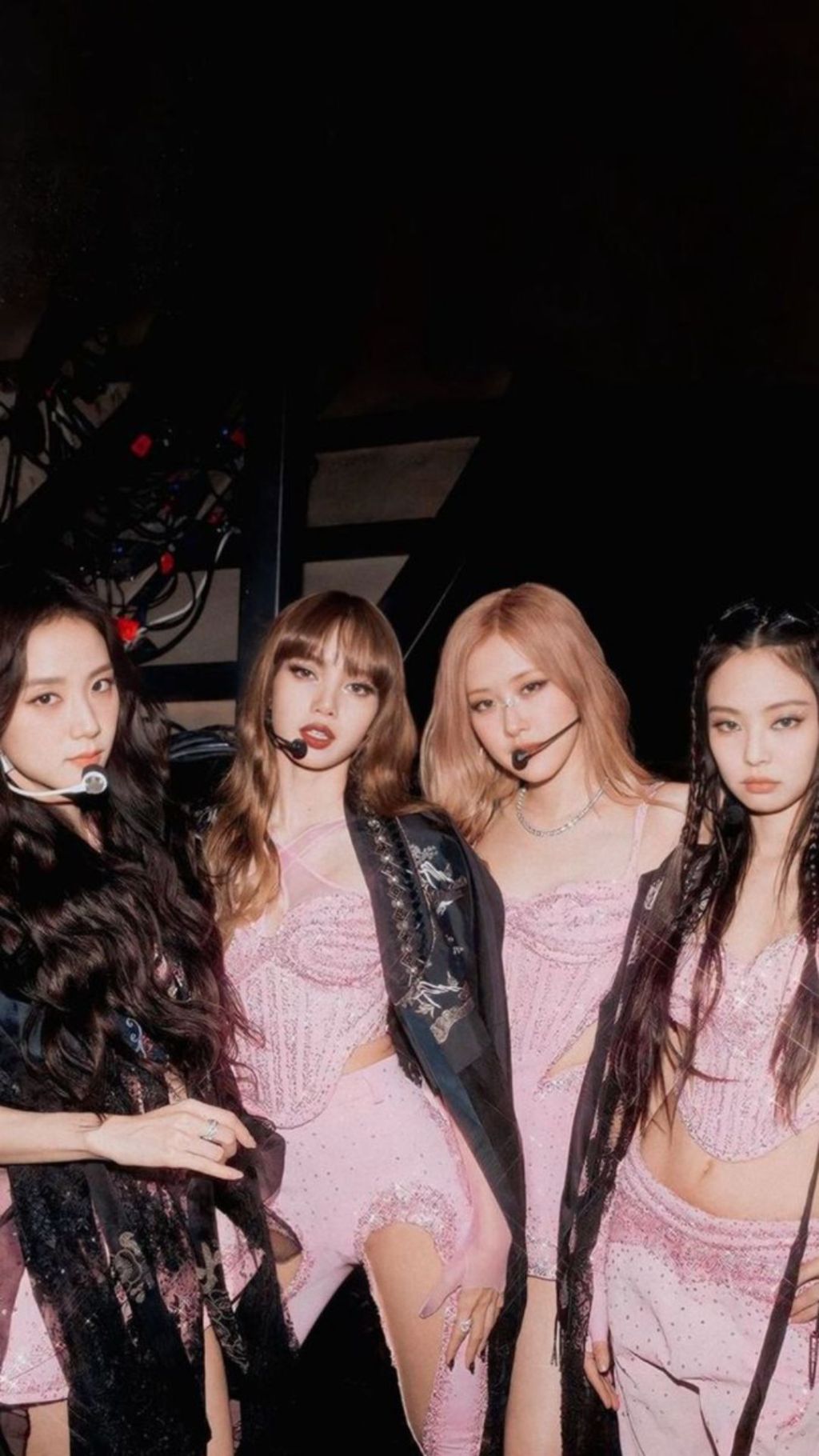
This article is authored by Sanam M.S, a fourth-year B.A. LL.B. student at Government Law College, Thiruvananthapuram, Kerala.
The Hallyu wave, which is the global rise of South Korean pop music, is no longer just something you hear; it’s also a multi billion-dollar commercially significant visual phenomenon. Fashion is not an afterthought in K-pop; it is a key part of the artist’s intellectual property (IP) and brand identity. The K-pop industry moves fashion through rapid cycles of fashion circulation, from the highly anticipated “airport fashion” to carefully planned music video (MV) wardrobes and global luxury ambassadorships.
But when fast changes in style meet aggressive global marketing, there will always be legal problems. The K-pop industry is a legally significant, complex testing ground for fashion lawyers that involves copyright, trademark, industrial design rights, and international treaties. This article argues that the rapid commercialization of K-pop fashion has exposed significant limitations within existing intellectual property frameworks, particularly in relation to copyright protection, industrial design rights, and cross-border enforcement.
The Stage Outfit and the Separability Doctrine
When a K-pop idol group first comes out, they keep their visual concept a secret. But copyright law makes it very hard to protect the clothes worn on stage. The Berne Convention for the Protection of Literary and Artistic Works says that member countries must protect “applied art.” But how that applies to clothes is very different in each place. In the U.S., clothes are usually seen as “useful articles” and don’t get copyright protection unless they pass the separability test, which was established in Star Athletica, LLC v. Varsity Brands, Inc. 580 U.S. 405 (2017). In South Korea, the problem is treated under the heading of ‘applied art works’ (응용미술저작물). The Korean Copyright Act may protect artistic features distinguishable from the utilitarian aspects of a garment that have independent originality. However, in practice, the fashion-related protection in South Korea is more dependent on the Design Protection Act and the Unfair Competition Prevention and Trade Secret Protection Act. The industry frequently experiences allegations of design imitation controversies. More and more, independent designers are using public platforms to accuse the so called “Big 4” (HYBE, SM, YG, and JYP) entertainment companies of copying runway designs for idol stage outfits. These designers often use South Korea’s Unfair Competition Prevention and Trade Secret Protection Act (부정경쟁방지 및 영업비밀보호에 관한 법률) because of the difficulty to get copyright protection for silhouettes or garment creation. Article 2(1)(j) of the Act contains a broad ‘catch-all’ provision that functions as an important legal safeguard by prohibiting the unauthorized use of another party’s commercially valuable output.
Frankensteining and the First Sale Doctrine
Beyond original stage costumes, additional legal tensions emerge when luxury goods themselves become raw materials for stylistic reconstruction.
One of the most popular stylistic trends in K-pop is “frankensteining” or upcycling luxury goods. Stylists often dismantle high end goods and restore them to make custom garments for performances. For example, a romper made out of a Louis Vuitton beach towel. This practice is new and interesting from an aesthetical point of view, but it raises complicated issues under trademark law. The First Sale Doctrine mentions that once a branded product is legally sold, the trademark owner’s control over how it is used subsequently is exhausted.
If a product changes substantially, turning a duffel bag into a corset while keeping the branding visible, the trademark owner may claim it to be infringed or diluted. The main concern is that consumers will be confused and mistakenly believe that the transformed product is an official collaboration, this creates a broader legal tension between artistic transformation and trademark control, particularly where reconstructed luxury goods acquire independent cultural and commercial value through celebrity association. Nevertheless, luxury brands rarely litigate in such situations as the exposure they get from K-pop is often worth more than any legal damage that might happen. Because of this, this practice works in a legal grey area that is both commercially tolerated yet legally uncertain.
Fast Fashion Rip-Offs v. International Design Protection
The legal vulnerabilities surrounding K-pop fashion become even more pronounced in the context of global fast-fashion reproduction.
As soon as a popular K-pop group puts out new visual content, fast-fashion companies around the world start copying the clothes that are shown. Within days, copies flood online stores, often sold under names that refer to idol aesthetics, like Y2Kstyles inspired by NewJeans or the “bandage incident” at the 2023 Chanel Fall/Winter show, where Kim Jennie’s use of a simple medical adhesive as a facial accessory became an immediate global trend of “Jennie-style” copies. For original designers, protecting their rights depends mainly on industrial design protection systems. The Hague Agreement Concerning the International Registration of Industrial Designs enables designers to secure protection across multiple jurisdictions through a unified application system implemented by the World Intellectual Property Organization. Compared to the United States, where fashion designs receive limited copyright protection under the useful article doctrine, the European Union provides comparatively broader safeguards through the Unregistered Community Design framework, which grants short-term automatic protection without formal registration. This demonstrates the fragmented international landscape governing fashion-related intellectual property. South Korea remains one of the world’s leading innovation economies and ranked 4th in the 2025 World Intellectual Property Organization’s (WIPO) Global Innovation Index.
Brand Ambassadorships Contracts and Morality Clauses
K-pop idols have redefined global fashion marketing. Artists from groups such as BLACKPINK, BTS, AESPA dominate luxury fashion campaigns, partnering with brands like Chanel, Dior, Bottega Veneta etc. These relationships are governed by complex commercial agreements rooted in intellectual property law, particularly the right of publicity.
Because K-pop idols have carefully crafted public personas, their contracts often have strict morality clauses. Any kind of controversy, from breaking the law to damaging your reputation, can lead to immediate termination. A famous example of this happened with Kris Wu former member of EXO in 2021, when his criminal charges led to the almost immediate termination of more than a dozen high profile partnerships, even with Louis Vuitton and Bulgari. These clauses help brands protect their trademarks and the goodwill that comes with them. They usually include provisions for financial damages if the brand’s value is hurt.
K-Pop Light sticks and Emerging Questions of Design Ownership
The light stick (eungwon-bong) is the most unique part of K-pop “fashion.” For example, Blackpink’s “Hammer Bong” pink or NCT’s “Lime Pulse” serves as a source identifier. K-pop light sticks have gone from being just concert tools to being stylish, culturally coded fashion items that show who you are as a fan and what your brand stands for. As these things become more valuable in terms of style and business, entertainment companies are using more complex legal systems that include copyright, trademark, and industrial design rights to protect their Intellectual Property.
The Korean Trademark Act (상표법) makes it illegal to use fandom merch without permission. A good example of the strictness is When Korea’s trademark police seized about 20,000 counterfeit K-pop merch. These actions treat imitation light sticks as criminal intellectual property violations under laws like Article 108 of the Trademark Act. Fandom merchandise is now seen as valuable branded property that needs legal Protection.
The online controversy between the K-pop groups QWER and THE BOYZ over the light stick design was a notable example of this kind of conflict. After QWER revealed their megaphone shaped light stick, fans noticed its resemblance with the design that THE BOYZ had already registered. Even though the issue didn’t lead to formal court action, the controversy shows how design rights are becoming more complicated in a time when a light stick’s shape is as important to a brand as its logo.
Conclusion
Ultimately, the connection between Hallyu and haute couture illustrates a larger legal tension between creative innovation, commercial branding and the limits of existing intellectual property regimes. The rapid internationalization of K-pop fashion has shown the inadequacy of conventional copyright law, especially the copyright on useful articles and applied art, to the pace and scope of visual trends in the digital culture. Consequently, entertainment agencies and designers are increasingly turning to trademark protection, industrial design registration, unfair competition law, and contractual enforcement mechanisms to protect commercially valuable aesthetics.
Simultaneously, the expansion of fast-fashion copies, unlicensed merchandise, and digitally increased trend cycles symbolize the increasing incapacity of territorially fragmented intellectual property regimes to regulate culturally circulated products on a global scale. The comparative approaches of South Korea, the United States and the European Union further highlight the lack of a uniform standard for the protection of creative expression in fashion.
With K-pop’s expanding influence on the international fashion markets and consumer identity, it is expected that the legal conflicts emerging from the K-pop industry will shape the future of global fashion law. The development of intellectual property protection here will have consequences not just for the commercial interests of entertainment companies and designers, but also for broader international conceptions of authorship, originality, and ownership in an increasingly visual and digitised cultural economy.


Leave a Reply